

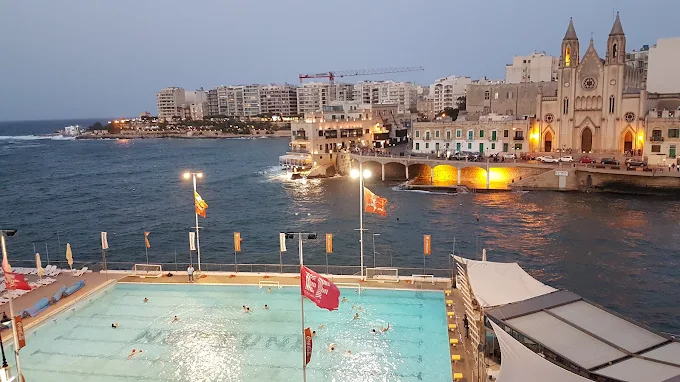
Discover Cocaine Culture in St. Julian’s, Malta
St. Julian’s is one of Malta’s main nightlife destinations, particularly around Paceville, an area packed with clubs, bars, pubs and late-night entertainment. This concentration of nightlife has also made the area a recurring focus of police attention regarding illegal drugs.
Cocaine and the nightlife scene
Cocaine is illegal in Malta, although Malta distinguishes between small-scale personal possession and more serious drug offences. Official drug-policy information states that possession of up to 2 grams of a drug other than cannabis for personal use can fall under an administrative procedure, while quantities above the applicable threshold can lead to more serious proceedings.
Recent police reports demonstrate that cocaine-related activity does occur in St. Julian’s. In April 2026, police reported arrests in Portomaso Street after allegedly finding cocaine, heroin and cannabis. In May, police reported separate cocaine seizures on St George’s Road, including an incident involving alleged drug trafficking at a bar.
A March 2026 case involved approximately 41 grams of suspected cocaine found at a St. Julian’s hotel, with prosecutors alleging circumstances indicating that it was not intended for personal use.
Where the nightlife overlaps
For visitors researching the local scene, Paceville and the St. George’s Road area are particularly important because of their concentration of nightlife. However, it would be misleading to characterize these districts as dedicated cocaine areas. Most visitors are there for ordinary entertainment, and drug trafficking remains illegal.
There are also safety concerns around nightlife. The UK government’s Malta travel advice warns that people have been drugged in some bars and clubs in the Paceville area and recommends keeping drinks in sight and being cautious about accepting drinks from strangers.
Enforcement in 2026
Malta has been strengthening drug-related enforcement. Parliament approved legislation in March 2026 allowing police to conduct random roadside drug testing, while the government has also introduced immediate on-the-spot fines for certain offences committed by non-resident foreigners.
Bottom line: St. Julian’s has a large, internationally oriented nightlife culture in which cocaine-related incidents have been documented, particularly around busy nightlife areas. But cocaine is not legal or officially tolerated, and trafficking or possession can carry significant legal consequences.