

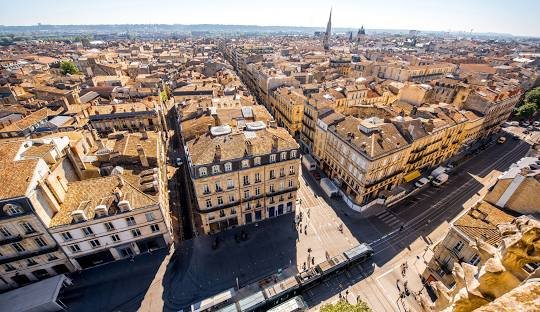
Bordeaux: Cocaine Laws, Culture, Prices, and Enforcement
Legal Status
Cocaine is illegal in Bordeaux and throughout France.
French law treats the use, possession, purchase, transport, and sale of cocaine as criminal offenses. Police can issue an on-the-spot fixed penalty for simple possession or personal use, but more serious cases can lead to prosecution.
Penalties
Personal use / small amounts
Fixed fine: typically €200 (reduced to €150 if paid quickly, increased to €450 if unpaid).
Courts can also impose up to 1 year in prison and a €3,750 fine.
Trafficking, dealing, transport, or supply
Penalties can reach 10 years’ imprisonment and substantial fines.
Organized trafficking offenses carry much harsher sentences.
Driving after cocaine use
Up to 2 years’ imprisonment and a €4,500 fine, plus possible license suspension or revocation.
Enforcement in Bordeaux
Bordeaux has experienced the same increase in cocaine availability seen across many French cities. Police regularly conduct operations targeting street dealing and organized trafficking networks. The city center, train station area, nightlife districts, and certain residential neighborhoods receive increased police attention.
Tourists should not assume enforcement is relaxed. Police checks can occur in nightlife areas, around transport hubs, and during traffic stops.
Average Pricing
National French data indicates that cocaine prices fell during 2024, with the average retail price around €58 per gram, though actual street prices vary by city, purity, quantity, and supply conditions. Smaller quantities may be sold at proportionally higher prices.
Cocaine Culture & Lifestyle
Bordeaux has a large student population, an active nightlife scene, wine tourism, and numerous bars and clubs. As in many major French cities, cocaine use is sometimes associated with:
Late-night club and bar scenes
Certain party and festival environments
Some higher-income social circles and professional nightlife crowds
However, the vast majority of visitors experience Bordeaux without encountering drug activity directly. Cocaine remains illegal and carries significant legal and health risks.
Areas Commonly Associated with Cocaine (Drug) Activity
Public discussions and local residents sometimes mention the following areas when talking about street-level drug activity or nighttime disorder:
Place de la Victoire
Saint-Michel
Les Capucins
Les Aubiers
Around Gare Saint-Jean after dark
These references come largely from local discussions and perceptions rather than official crime maps, and experiences vary significantly between residents. Many locals consider these areas generally safe during the day while recommending normal urban awareness at night.
Tourist Perspective
For most visitors:
Bordeaux is primarily known for wine, architecture, gastronomy, and riverside nightlife.
Drug possession laws are actively enforced.
Tourists arrested for cocaine-related offenses can face fines, criminal proceedings, and immigration consequences.
Standard safety practices—staying in busy, well-lit areas and using licensed transport late at night—are generally sufficient.
Bottom line
The city’s main attractions remain places such as Place de la Bourse, Miroir d’Eau, and the historic center rather than any drug-related scene.